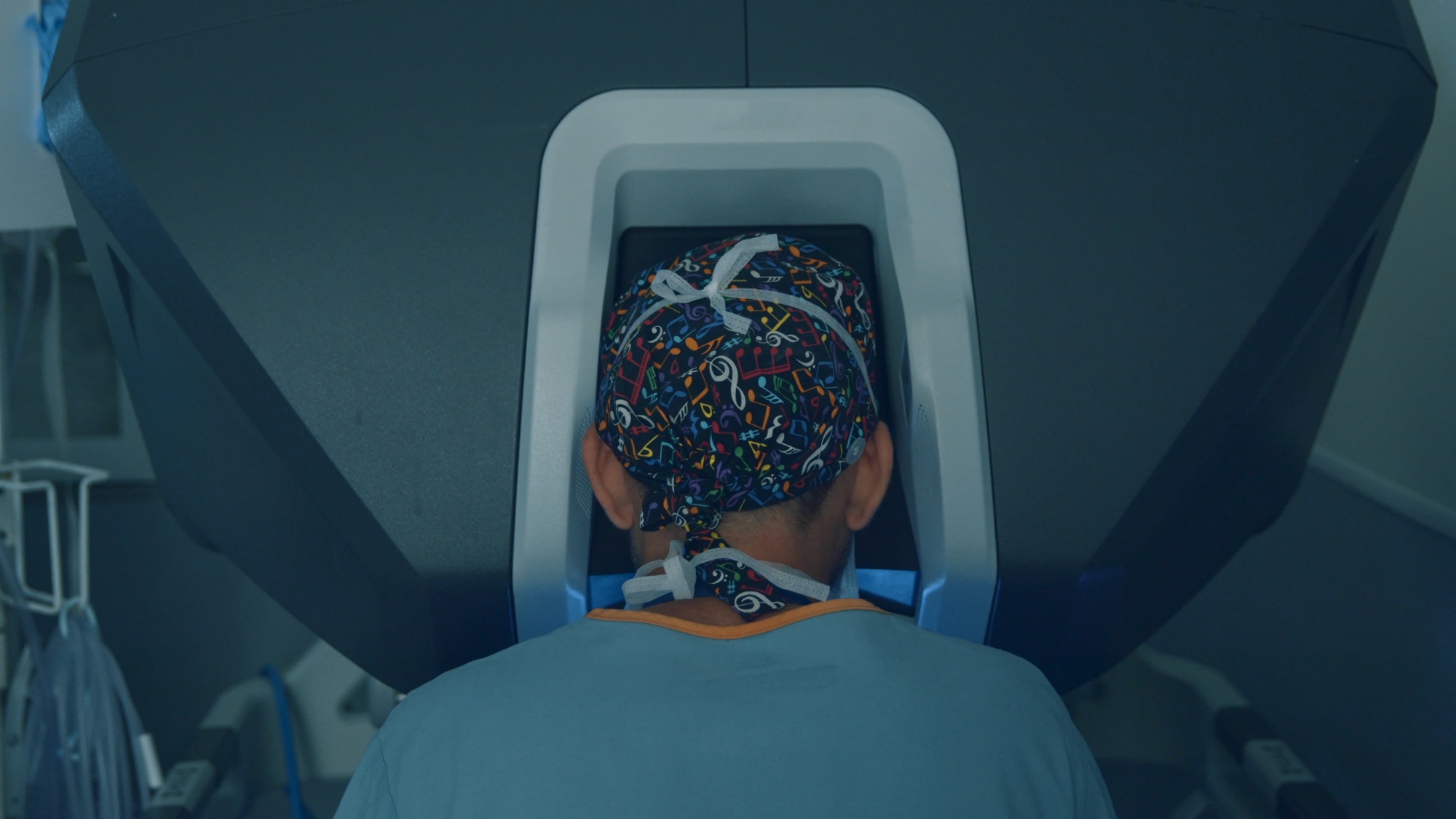
Depictions that are grounded in reality
In an industry dominated by vaporware and meaningless abstract visuals, Scale leads with imagery that is tangible and relatable. Our technology isn't theoretical: it is deployed, operational, and mission-critical. We use cinematic photography and video to ground Scale in reality.
Because our AI operates in high-stakes environments, from the cockpit of a fighter jet to the frontiers of space and medicine, we rely on elite imagery to represent the scale of our impact.
We avoid the staged feel of traditional corporate assets, opting for editorial-grade visuals that feel like a window into the industries we serve.
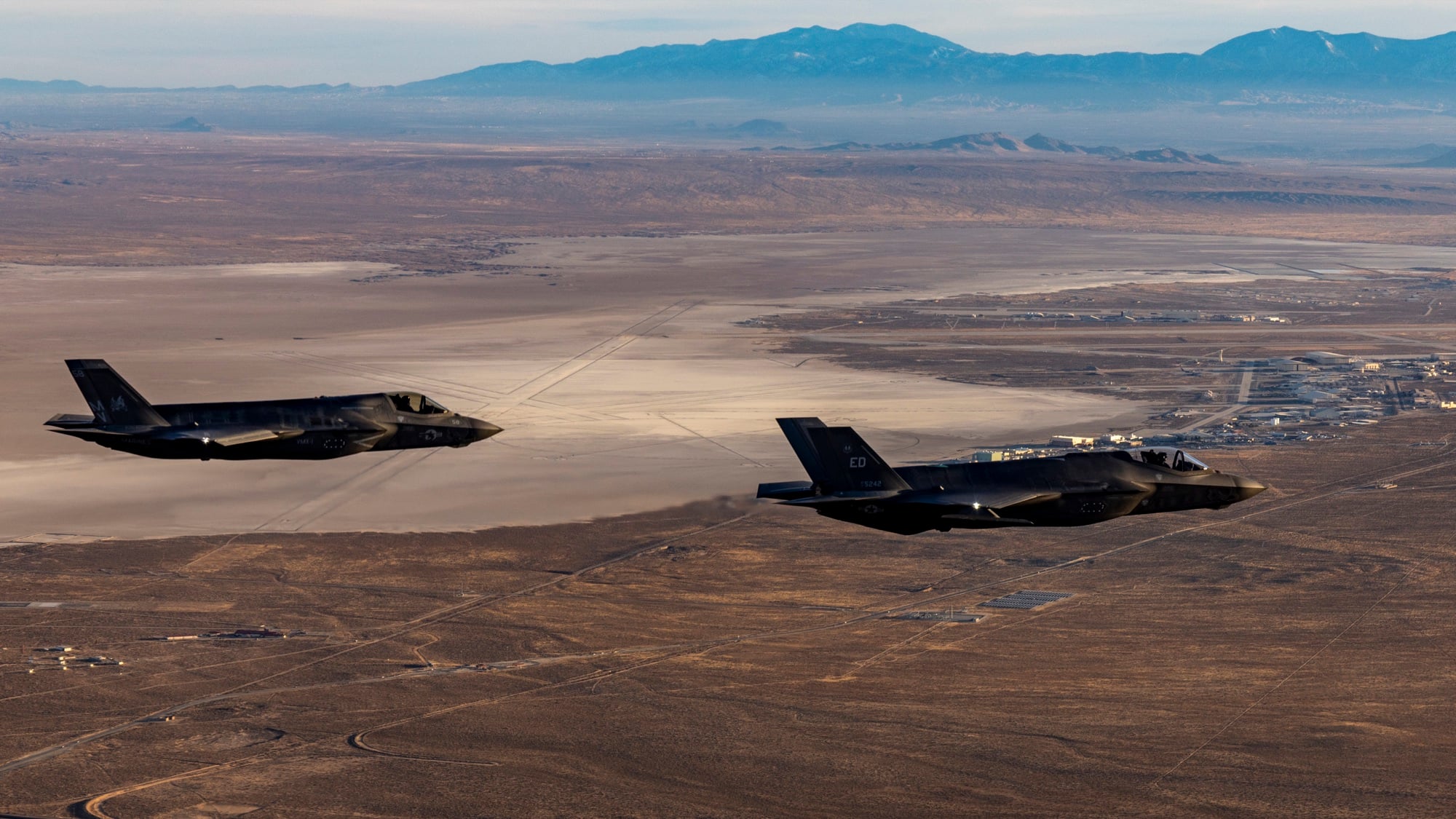
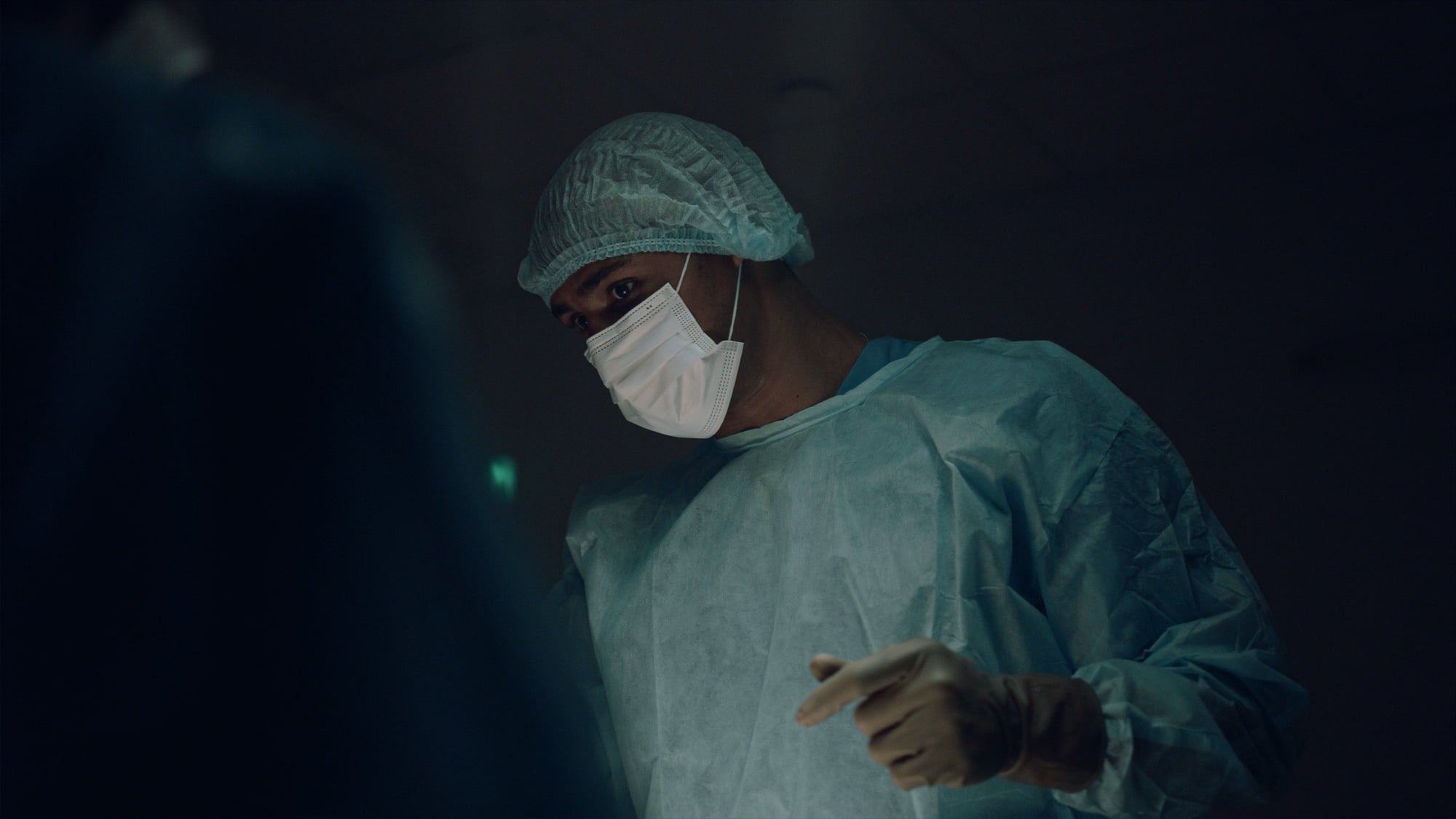
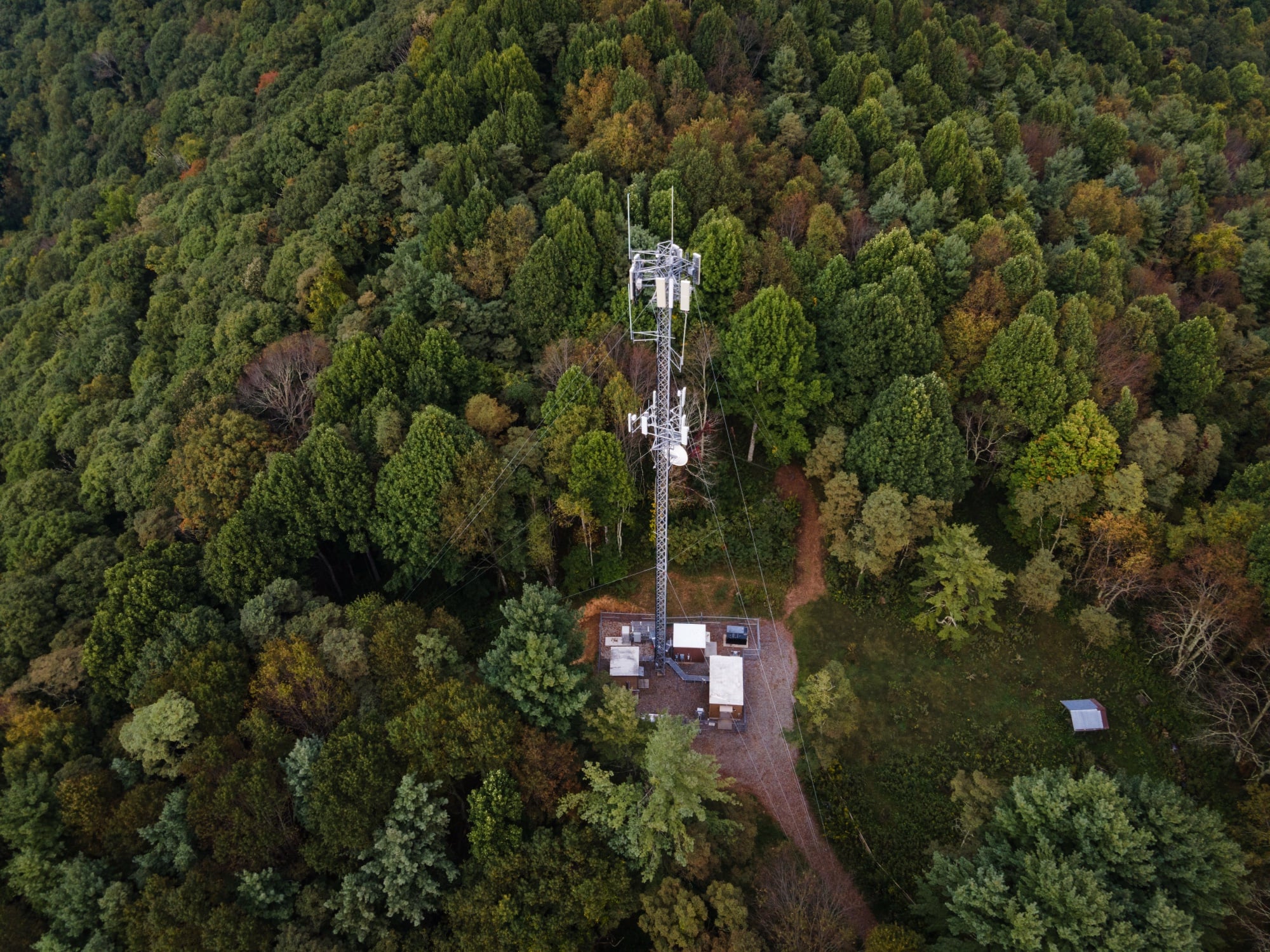

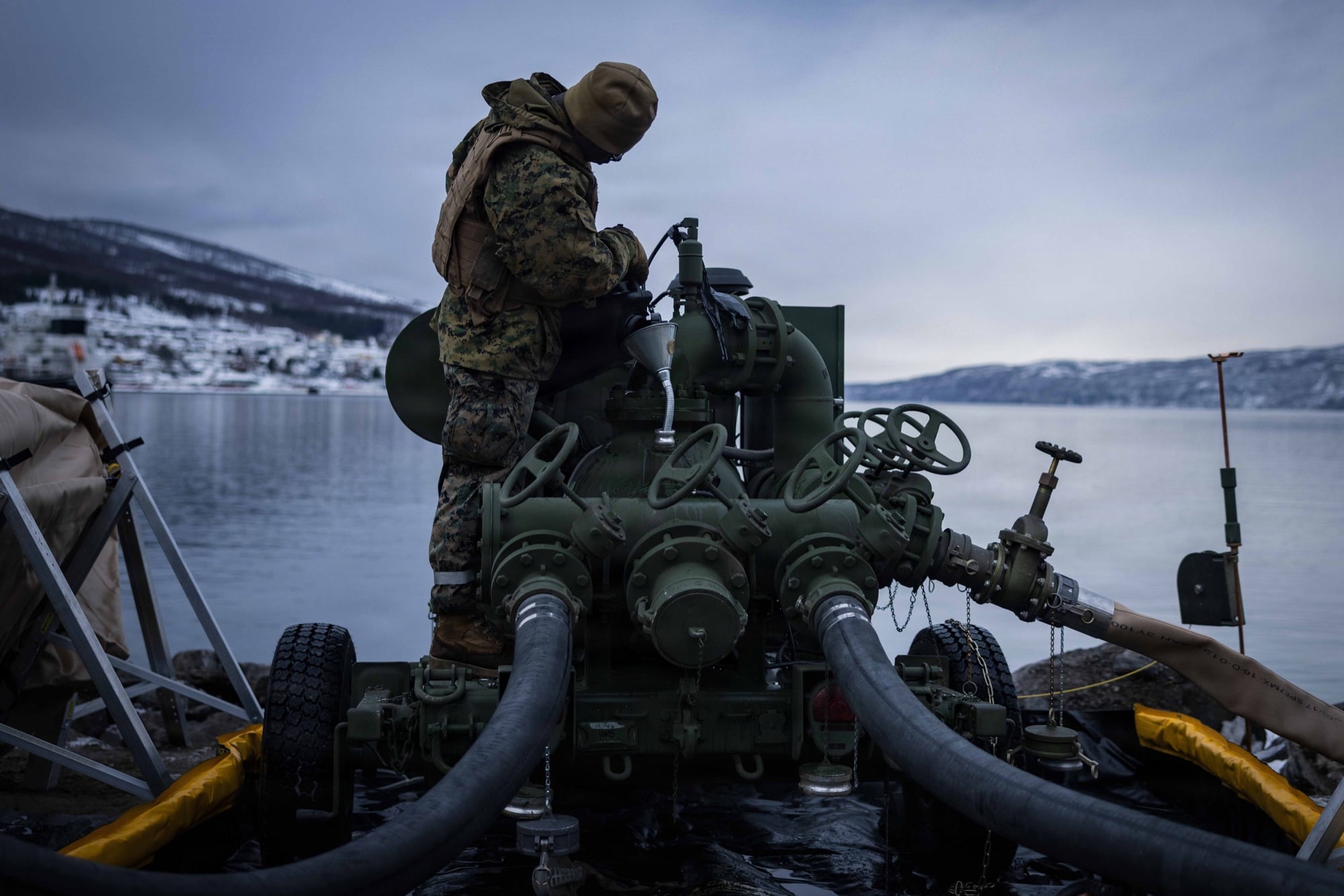
Guiding Photography Principles
Photography should feel professional, editorial, and innovative: human and product forward, and action-oriented enough to engage the viewer.
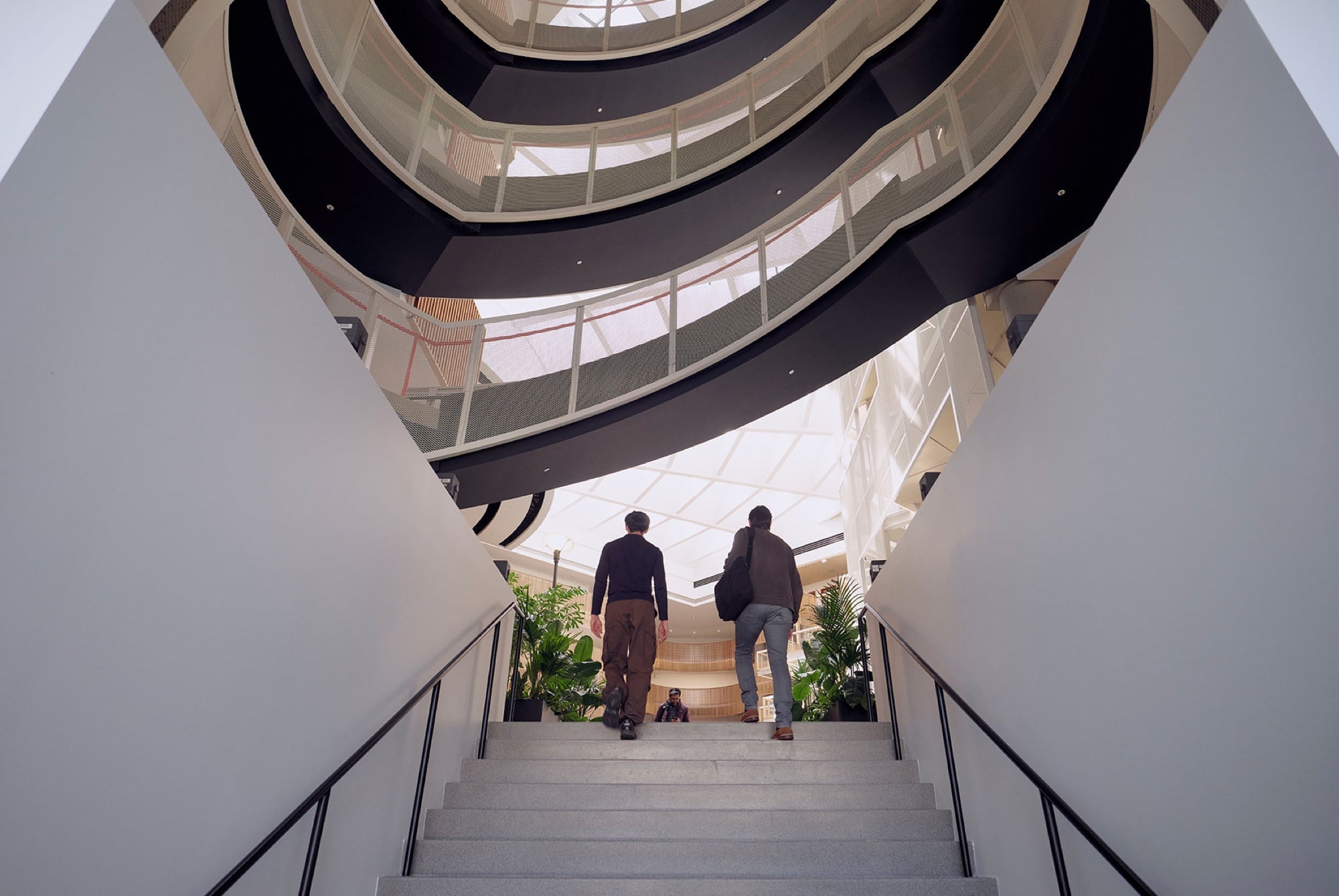
Composition
Dynamic and refreshing
Break from static, centered compositions. Favor diagonal tension, depth of field, and subjects caught mid-action. Every frame should feel earned.

Lighting & color
Natural and inviting
Prioritize natural or practical light. Avoid heavy post-processing or stylized color grading. Tones should feel grounded, not cinematic for its own sake.
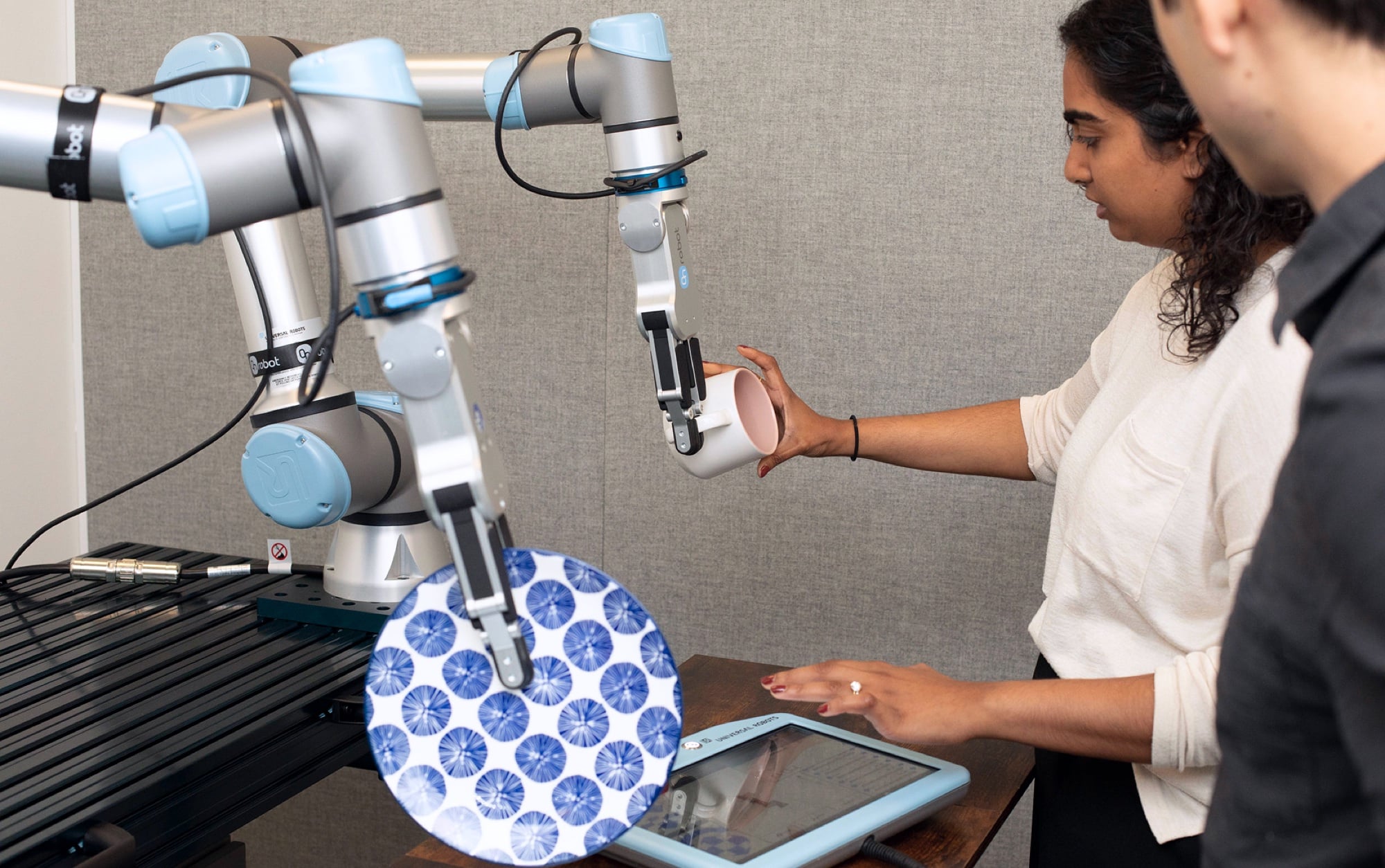
Subjects
Subject matter and interactions
Keep humans and products in frame together. Show real interactions, not posed hand-on-chin portraits. The system and the person using it, both visible.
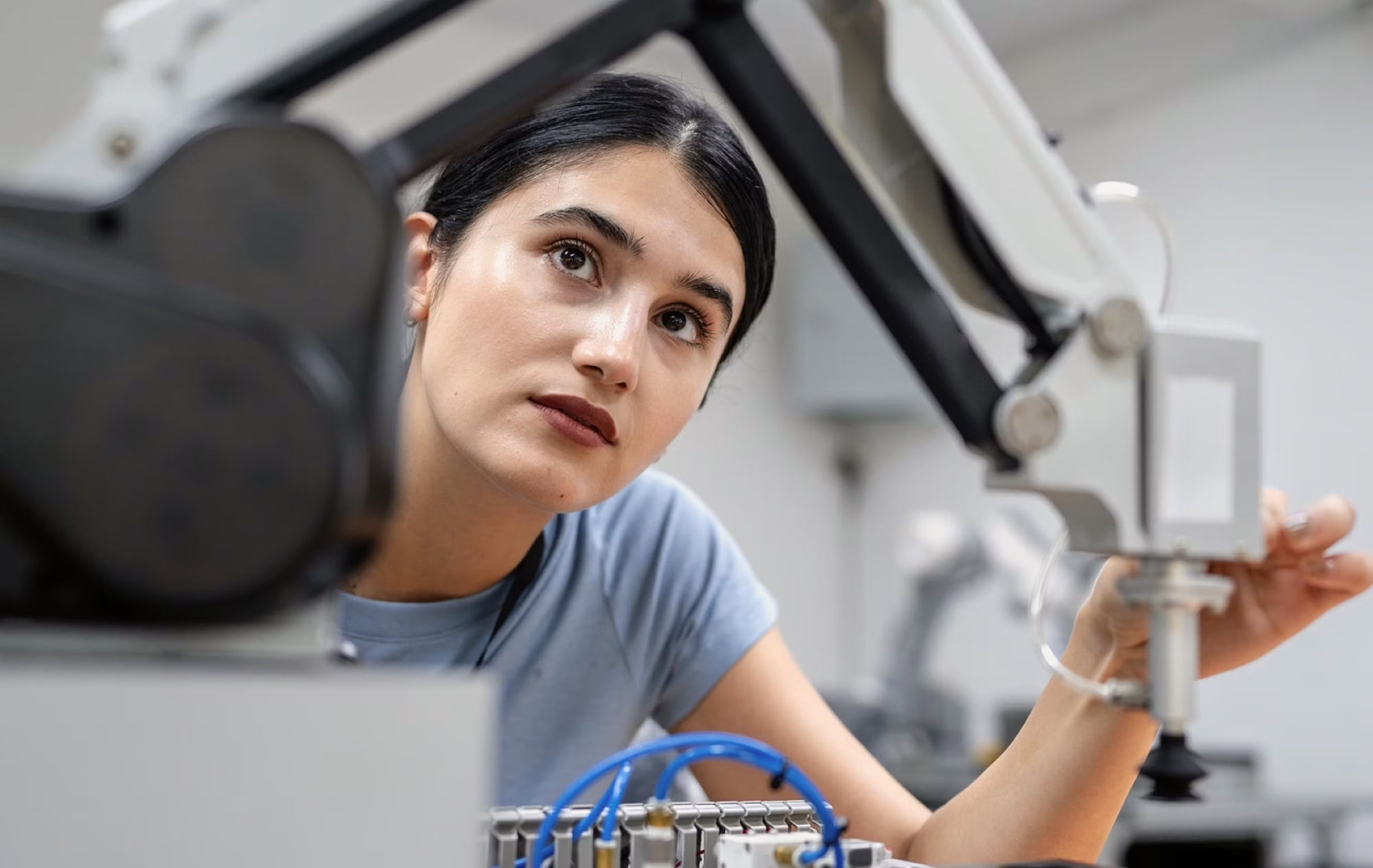
Casting
Professional and focused
Feature people who look like they belong in high-stakes environments. Experts at work, not models pretending to be experts.
Evidence over atmosphere
Show the context where decisions happen.
Field environments, labs, command centers, operating rooms: places where outcomes are real and systems are running.
Abstract AI atmosphere.
No neural network visualizations, glowing data streams, floating holograms, or generic technology stock.
Balance human judgment with technical infrastructure.
A technician reviewing a screen, a pilot checking a system, a researcher studying results. Human accountability stays visible.
Staged corporate photography.
No hands shaking in front of glass buildings, no diverse-team-laughing-at-laptop shots. Every asset must feel authoritative and unscripted.
Download the assets
Production-ready marks, tokens, and templates referenced in this chapter.